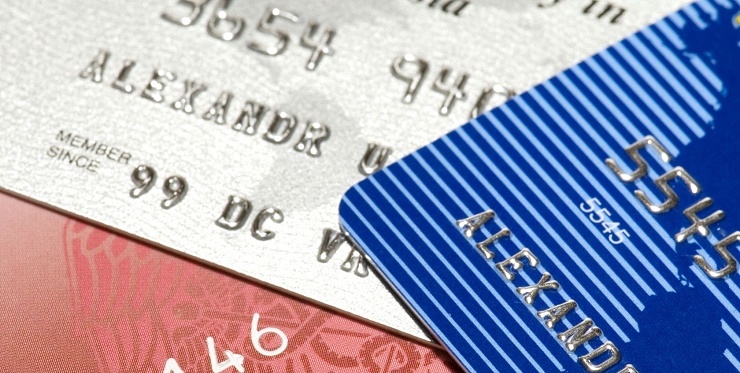
Når du trenger å låne penger, vil det da lønne seg å bruke et kredittkort eller et forbrukslån? Det er nok et spørsmål som mange nordmenn lurer på, men da mange allerede har et kredittkort liggende i lommeboka så vil dette ofte være den enkleste løsningen. Samtidig så er ikke dette synonymt med at det er den beste løsningen, for det er faktisk ganske store forskjeller mellom forbrukslån og kredittkort – selv om likhetene også er mange.
Kredittkort versus forbrukslån
Med et kredittkort så får du umiddelbart tilgang til lånte penger, uten at du behøver å søke om det eller «spørre banken om lov» før du gjør et innkjøp. Dette er i stor kontrast til et forbrukslån, der du må gjennom en søknadsprosess hver gang du skal låne penger. Derfor er et kredittkort langt mer velegnet for den som ofte trenger å låne penger, og som alltid må ha en pengereserve i bakhånd. På en annen side så får man sjeldent tilgang til like store summer med et kredittkort som med et forbrukslån, så i enkelte tilfeller vil sistnevnte være den eneste løsningen.
Man må betale renter på det man har brukt både med et kredittkort og på et forbrukslån. Forskjellen er dog at rentenivået på kredittkort som regel er en del høyere enn ved et forbrukslån. Men med et kredittkort får man også en rentefri betalingsperiode (ofte rundt 6 uker) der man ikke betaler noe for det man har brukt, slik at de to lånetypene har ulike bruksområder. Med et forbrukslån begynner rentene å løpe med en gang, men til gjengjeld er det ofte snakk om 10-15 prosent renteforskjell.
Når skal man velge lån uten sikkerhet?
Et forbrukslån bør du velge når du skal gjøre et stort innkjøp som du enten ikke har nok kreditt på kredittkortet til å betale for, eller dersom du skal betale det ned over lengre tid. For eksempel hvis du skal pusse opp kjellerstua for 40 000 kroner og betale det ned over 12 måneder, så vil et forbrukslån være den absolutt beste løsningen. Her får du lavere rente og enklere tilgang til penger enn hva du gjør gjennom kredittkortet. Skal du på en annen side betale tilbake dette innen et par måneder, så vil trolig et kredittkort være den beste løsningen ettersom du da får et par måneder med rentefritak.
Et forbrukslån har også flere bruksområder enn et kredittkort. For eksempel kan det brukes til å betale regninger og ta ut kontanter med uten å betale gebyrer. Et forbrukslån kan også benyttes som egenkapital ved kjøp av bolig, eller som depositum dersom du skal leie bolig. Det er også snakk om såpass store summer at man kan bruke et forbrukslån til å kjøpe bil, båt eller hytte – alt er mulig.
Når skal man velge kredittkort?
Et kredittkort har sine fordeler som gjør det svært gunstig. Hvis du alltid ønsker å ha en pengereserve i bakhånd, så bør du ha et kredittkort. Dette kortet gir deg opp mot to måneders rentefri nedbetaling, og følgelig er det utmerket for å betale forfallende regninger som haster, eller rett og slett for å kjøpe ting du ikke har råd til på nåværende tidspunkt. Dog er det viktig å tenke på at pengene skal betales tilbake, slik at man ikke går i fella og bruker kredittkortet bare til å handle ting man egentlig ikke har råd til.
Siden et kredittkort gir deg umiddelbar tilgang til penger, så er dette det beste alternativet for deg som gjør impulskjøp eller brått trenger penger. Husk dog at renten på mange kredittkort er svært høy sammenlignet med forbrukslån.
Ressurser: